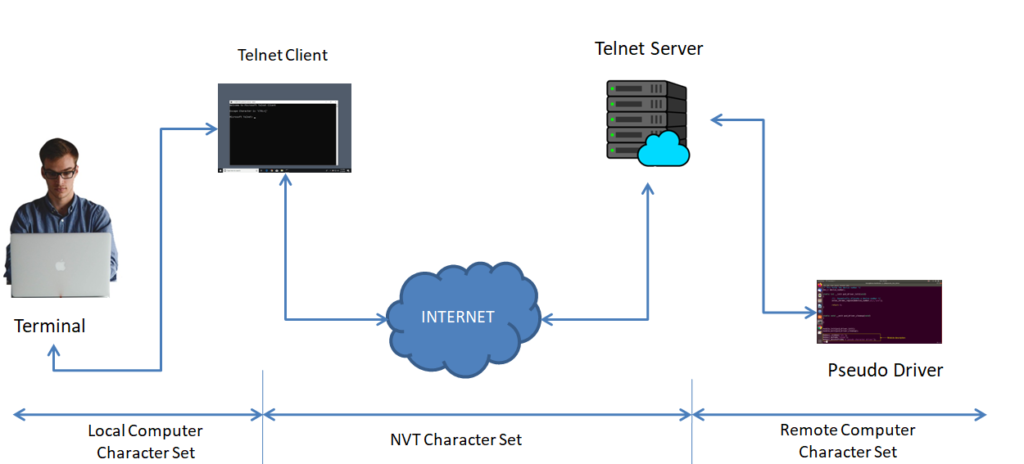
The Application Layer is the topmost layer in the OSI (Open Systems Interconnection) model and is responsible for providing network services directly to end-users or applications. It serves as the interface between the user’s software and the network infrastructure.

Some commonly used protocols operate at the Application Layer:
HTTP (Hypertext Transfer Protocol):
Used for transferring hypertext requests and information between web browsers and web servers. It forms the basis of communication for the World Wide Web.

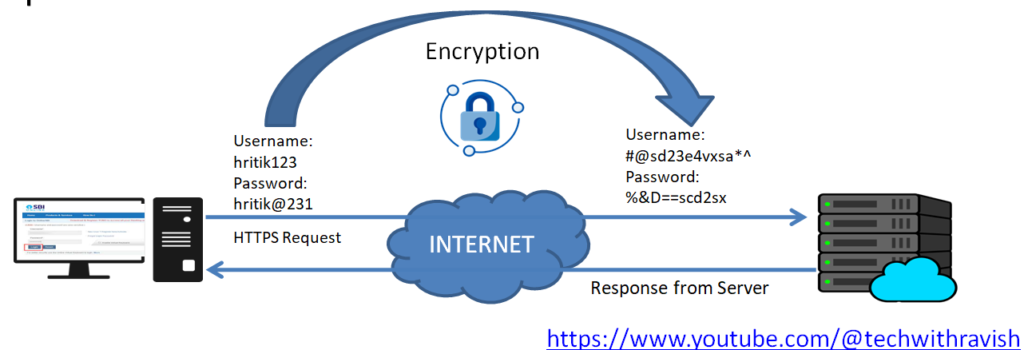
HTTP (Hypertext Transfer Protocol):
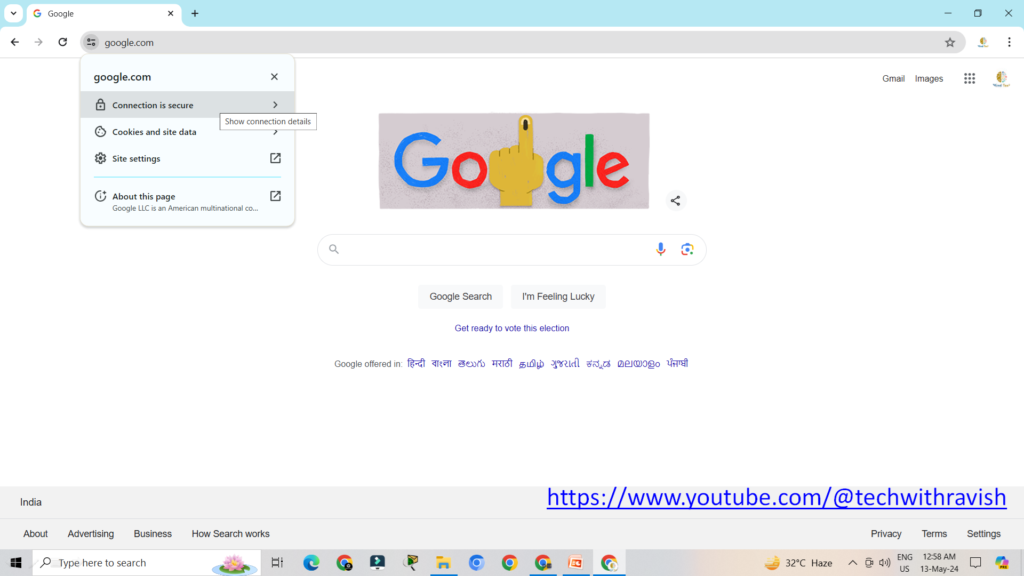
A secure version of HTTP that incorporates encryption and authentication mechanisms provided by SSL/TLS protocols for secure communication over the internet.
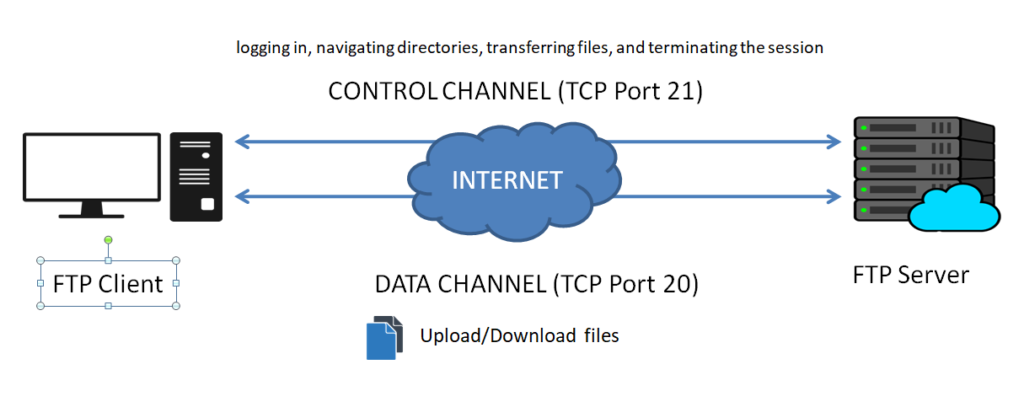
FTP (File Transfer Protocol):
Enables the transfer of files between a client and a server on a network. It allows users to upload, download, list, rename, and delete files on remote servers.
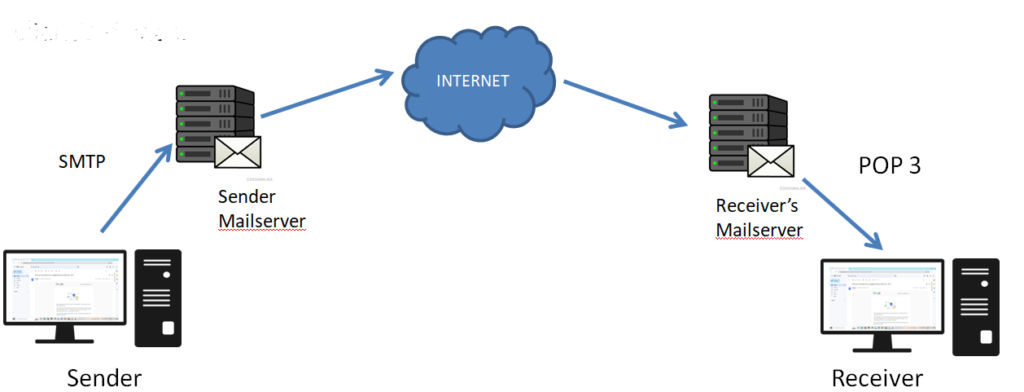
SMTP (Simple Mail Transfer Protocol):
Used for sending email messages between email servers. It defines how email messages are transferred and routed across networks.
POP3 (Post Office Protocol version 3):
Allows email clients to retrieve email messages from a remote server. It is commonly used for downloading emails to the client’s device.
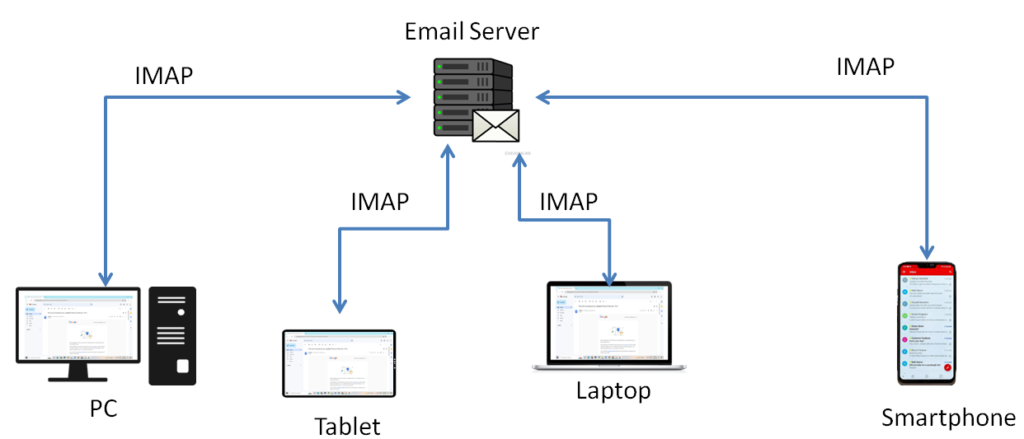
IMAP (Internet Message Access Protocol):
Similar to POP3, IMAP allows email clients to access and manage email messages stored on a remote server. It provides more advanced features for email management compared to POP3.
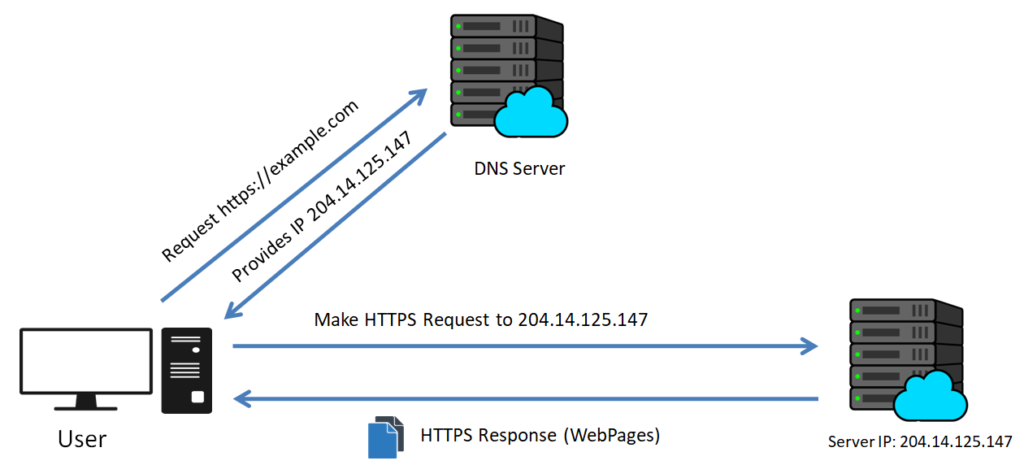
DNS (Domain Name System):
Resolves domain names to IP addresses and vice versa. It translates human-readable domain names (e.g., www.example.com) into numerical IP addresses used by computers to communicate over a network.
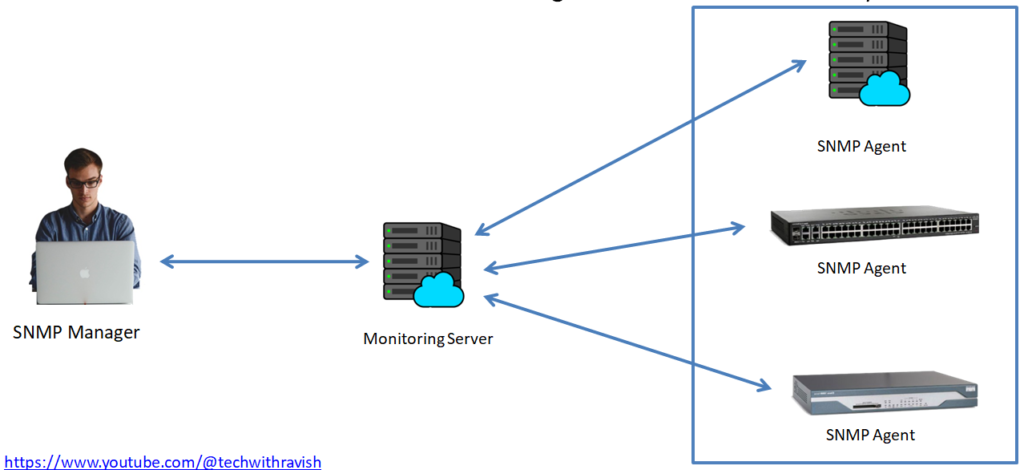
SNMP (Simple Network Management Protocol):
Used for managing and monitoring network devices such as routers, switches, and servers. It allows network administrators to collect information and manage network devices remotely.
Telnet:
Allows remote access to servers or devices over a network. It provides a command-line interface to interact with remote systems as if you were physically present at the device.