The Presentation layer is responsible for the translation of data between the application layer and the network. This layer ensures that the data sent by the application layer of one system can be read by the application layer of another system.
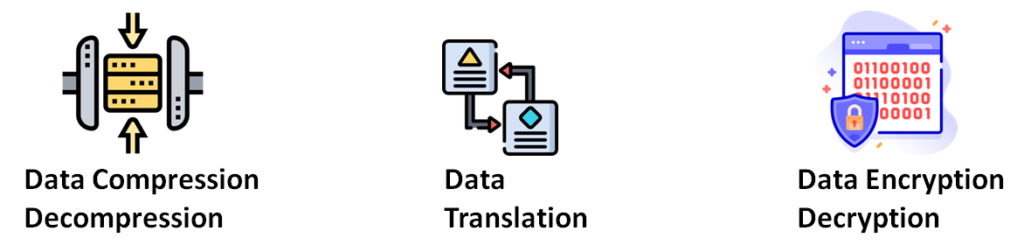
Data Translation
– Converts data from the application layer into a format that can be transmitted over the network.
– Examples include converting a text file into ASCII format or converting image data into a standard format like JPEG or PNG.
– Ensures that data is in a universally understandable format for both the sender and receiver.
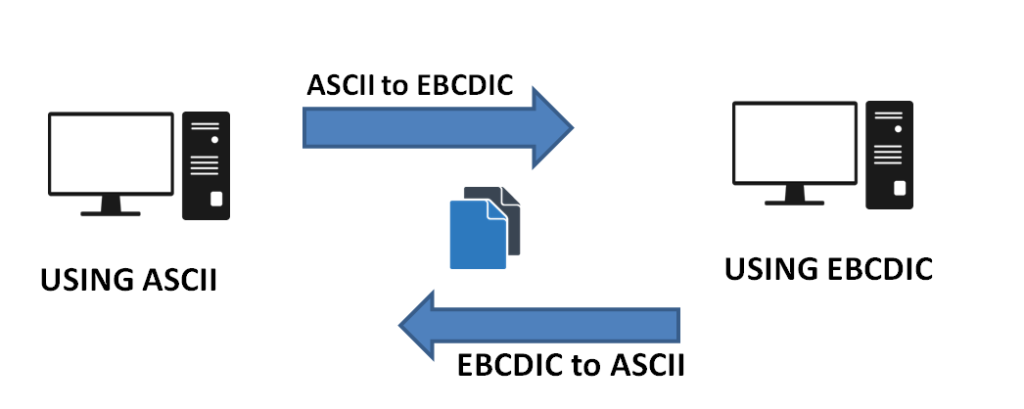
Example:
System 1 is using ASCII and System 2 is Using EBCDIC, so the translation form ASCII to EBCDIC will be done by Presentation layer.
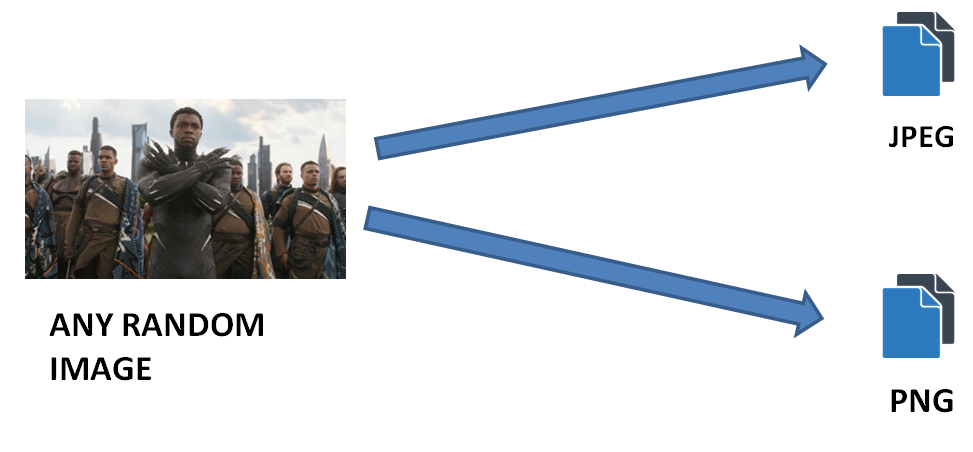
Example:
Any Image Converted to Suitable Format like to JPEG or PNG. This File format can be readable by any Operating System or any Device.
Data Compression
– Reduces the size of the data to minimize the amount of data transmitted over the network.
– This is especially useful for multimedia data like audio and video files, where compression techniques like MPEG or JPEG are used.
Example:

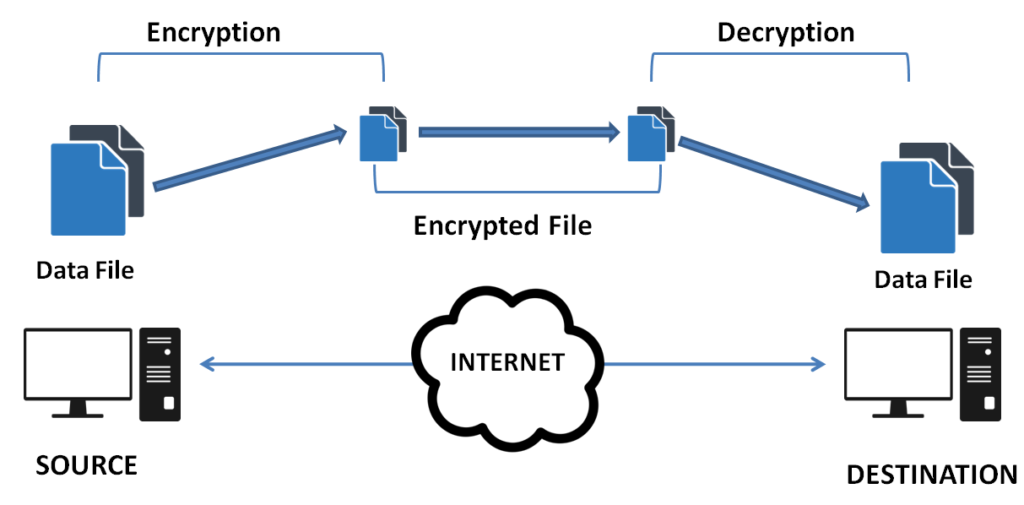
Data Encryption/Decryption
– Ensures data security by encrypting data before transmission and decrypting it upon reception.
– Common protocols and methods used include SSL/TLS for secure web communications and encryption algorithms like AES (Advanced Encryption Standard).
Example: